
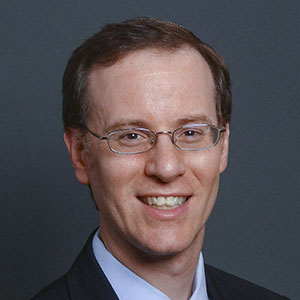
Aaron M. Cypess, M.D., Ph.D., M.M.Sc.
Scientific Focus Areas: Cell Biology, Clinical Research, Molecular Biology and Biochemistry
Clinical Trials
Open studies conducted by NIDDK Principal Investigators appear below. Study statuses may include the following:
- Open: Recruiting - Currently recruiting participants and open to everyone who meets eligibility criteria.
- Open: Active, Not Recruiting - Participants are receiving an intervention or being examined, however new participants are not being recruited or enrolled.
- Open: Enrolling by Invitation - People in a particular population were selected in advance and invited to participate. The study is not open to everyone who meets the eligibility criteria.
- Open: Available for Expanded Access - Patients who are not participants in the clinical study may be able to gain access to the drug, biologic, or medical device being studied.
Studies Seeking Patients
Molecular, Cellular, and Genetic Characterization of Human Adipose Tissue and Its Role in Metabolism
Background:
The body uses energy from calories for basic functions like breathing and digesting food. Over time, when a person eats more calories than they burn, they may become overweight or obese. Obesity is a major health concern. Researchers want to look at fat and muscle tissue to learn more about metabolism. That is how the body uses food and other nutrients for normal function and energy. This research may help to develop new treatments for obesity and related diseases.
Objective:
To learn more about the role of fat and muscle in metabolism, particularly how fat and muscle store and use energy.
Eligibility:
Adults 18 years and older who have a planned surgery at NIH in which tissue can be collected by the surgeon.
Design:
Participants will be screened by their regular NIH doctor. Then researchers will contact them about this study.
Participants will not have to make extra visits to NIH for this study.
Researchers will collect samples during the participant s surgery. These will be fat tissue and skeletal muscle tissue. Muscle tissue will only be taken from tissue that is going to be discarded. Collecting the tissue will not add any time or any extra incisions than what is required for the surgery.
After surgery, blood will be drawn. Some participants will have this done in the pre-op or post-op room. Others will have this done during their hospital stay.
The trial is Open with a status of Recruiting.
Investigator: Aaron M Cypess, M.D.
Referral Contacts: Ashley M Schmitz, C.R.N.P.
Last Reviewed July 2024