

Publication Spotlight: Dr. Adler
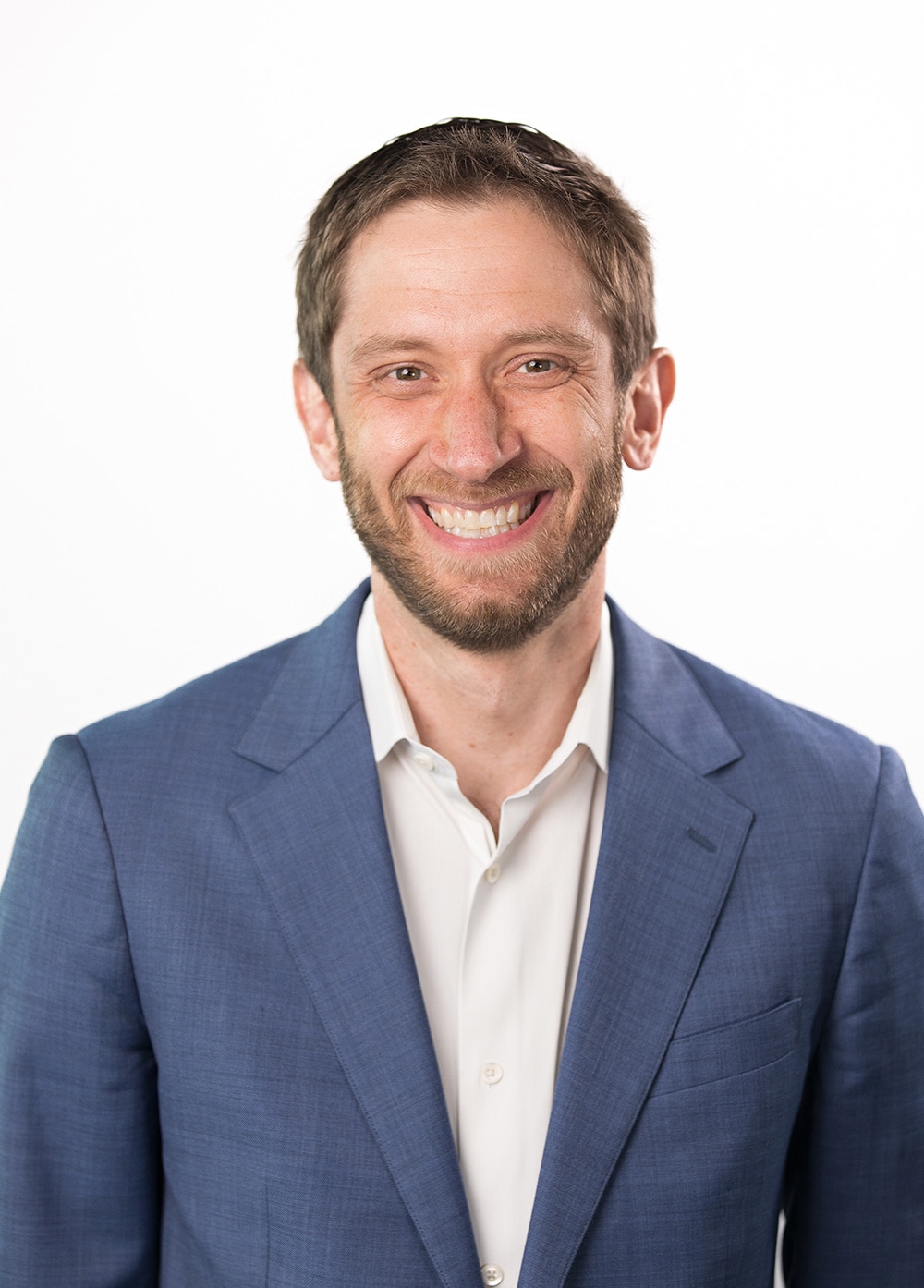
Interview with Joel T. Adler, MD, MPH, Assistant Professor of Surgery, Division of Transplant Surgery, Department of Surgery and Perioperative Care, University of Texas at Austin, senior author of Differences in Telemedicine Use Between Rural and Urban Medicare Beneficiaries With Kidney Failure.
What question did your study aim to answer?
We wanted to understand how telemedicine was used by Medicare beneficiaries who were on dialysis, and whether use differed between rural and urban patients before and during the COVID-19 pandemic. More broadly, we were interested in whether telemedicine appeared to be reaching patients who might face geographic barriers to care.
What inspired you to conduct this study?
Patients with kidney failure have frequent contact with the health system, and access can be difficult even in the best circumstances. Telemedicine seemed like one practical way to reduce some of that burden, especially for patients facing distance, transportation, or specialty access barriers. The pandemic also created a clear before-and-after period to study how telehealth changed in this population.
Which USRDS datasets did you use to conduct your study?
We used USRDS data for Medicare beneficiaries with kidney failure who had Medicare Parts A and B from 2017 through 2021. The analysis used the outpatient Medicare claims to identify telemedicine visits, PAYHIST to identify Medicare coverage, the PATIENTS file for residential county and patient characteristics, and CMS-2728 information for variables such as race, ethnicity, employment status, primary cause of kidney failure, and dialysis modality.
Using plain language, please summarize your study conclusions in two or three points.
- Telemedicine use increased dramatically during the COVID-19 pandemic among patients with kidney failure. Before the pandemic, use was very low; during the pandemic, it became a much more common part of care.
- Rural patients were more likely to use telemedicine before the pandemic, but telemedicine grew faster among urban patients once the pandemic began. That suggests telehealth access depends on more than just distance — it also depends on infrastructure, providers, and how care is organized locally.
- Telemedicine expanded quickly, but not evenly. We still saw lower use among Black patients and patients in more socially vulnerable areas, which means telehealth could improve access but does not automatically eliminate disparities.
Please share a specific insight about working with USRDS data that you learned during the completion of this study.
This study was a good reminder that claims data are incredibly useful for understanding utilization, but they do not always tell you why something happened. With USRDS, we could see who used telemedicine, when use changed, and how patterns differed by geography and patient characteristics. But the same data cannot fully tell us whether a patient preferred telemedicine, whether broadband access was a barrier, or whether a clinic had the infrastructure to offer it. That is where future mixed-methods work could be especially helpful.