

Diabetes Alert Day®
Observed annually on the fourth Tuesday in March by the American Diabetes Association, Diabetes Alert Day® is a one-day “wake-up call” that focuses on the seriousness of diabetes and the importance of understanding your risk. We encourage you to find out if you—or someone you love—are at risk for type 2 diabetes by taking this quick and simple Diabetes Risk Test.
Did You Know?
- 38.4 million Americans—or about 11.6% of the U.S. population—have diabetes.1
- 8.7 million Americans are unaware that they have diabetes.
- Approximately 97.6 million people ages 18 or older have prediabetes, a condition in which blood glucose levels are higher than normal but not high enough to be diagnosed as diabetes.
- More than 1 in 3 U.S. adults has prediabetes.2
- About half of women with gestational diabetes go on to develop type 2 diabetes. Gestational diabetes is a type of diabetes that women develop when they are pregnant.3
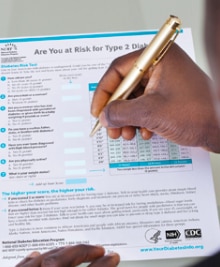
Understand Your Risk
The sooner you know if you’re at risk, the sooner you can take steps to prevent or manage diabetes. If you have a family history of diabetes, have overweight, or are not physically active, you have a greater chance of developing type 2 diabetes. You are also more likely to develop type 2 diabetes as you get older. All adults ages 35 or older should get tested for diabetes and prediabetes.
- Take the Diabetes Risk Test online.
- Download the Diabetes Risk Test (PDF, 624.91 KB)
- Learn more about the risk factors for type 2 diabetes.
Lower Your Chances of Developing Type 2 Diabetes
Research such as the Diabetes Prevention Program shows that you can do a lot to reduce your chances of developing type 2 diabetes. Here are some things you can change to lower your risk:
Lose weight and keep it off. You may be able to prevent or delay diabetes by losing 5% to 7% of your starting weight.4 For instance, if you weigh 200 pounds, your goal would be to lose about 10 to 14 pounds.
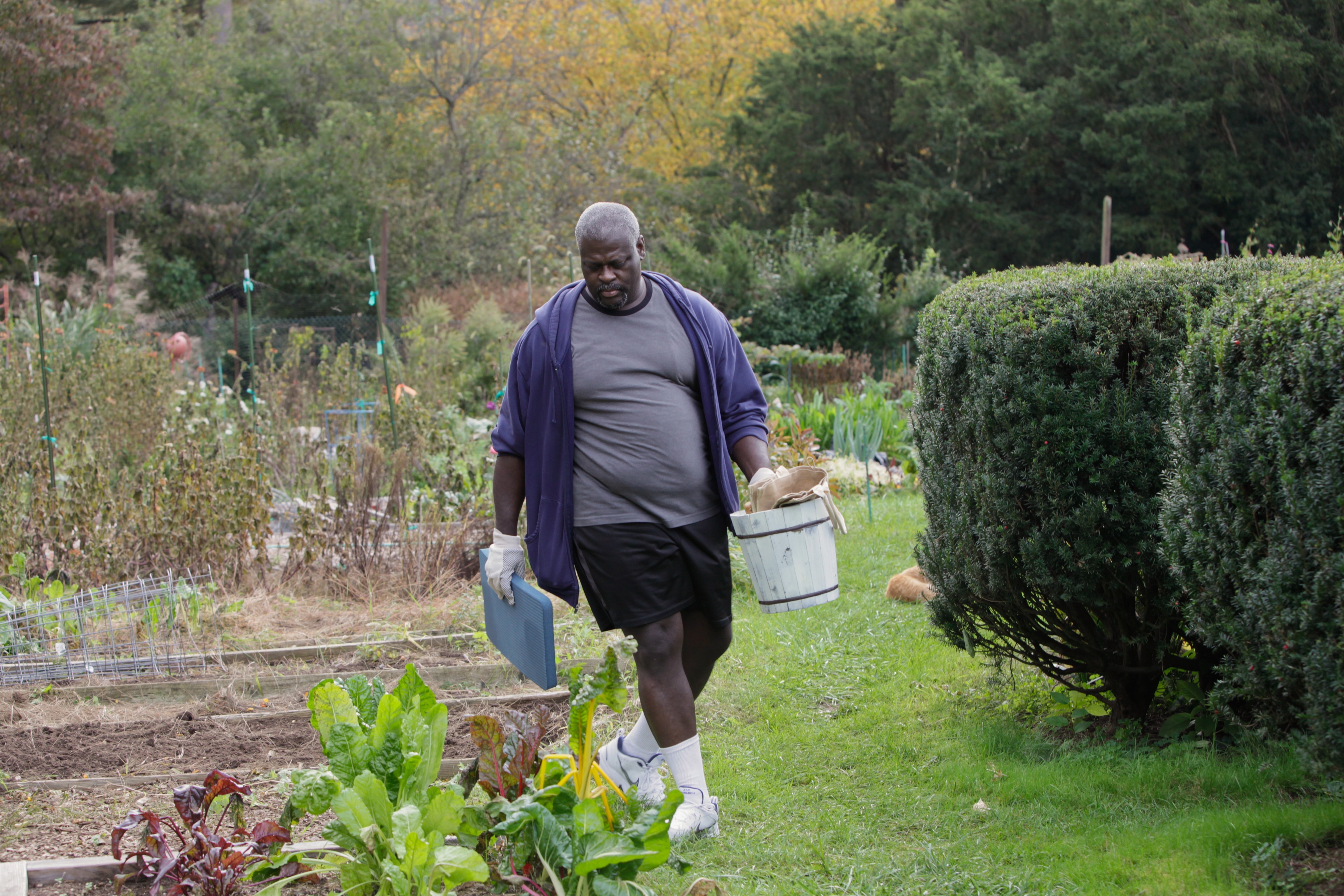
Move more. Get at least 30 minutes of physical activity 5 days a week. If you have not been active, talk with your health care professional about which activities are best. Start slowly to build up to your goal.

Eat healthy foods most of the time. Eat smaller portions to reduce the number of calories you eat each day and help you lose weight. Choosing foods with less fat is another way to reduce calories. Drink water instead of sweetened beverages.
Ask your health care professional about what other changes you can make to prevent or delay type 2 diabetes.
Most often, your best chance for preventing type 2 diabetes is to make lifestyle changes that work for you long term. Learn how to manage and prevent diabetes with Managing Diabetes and Preventing Type 2 Diabetes.